Google Business Profile Management Services: Buyer Guide
Evaluate Google Business Profile management services for accurate listings, review handling, clear access ownership and qualified inquiry tracking.
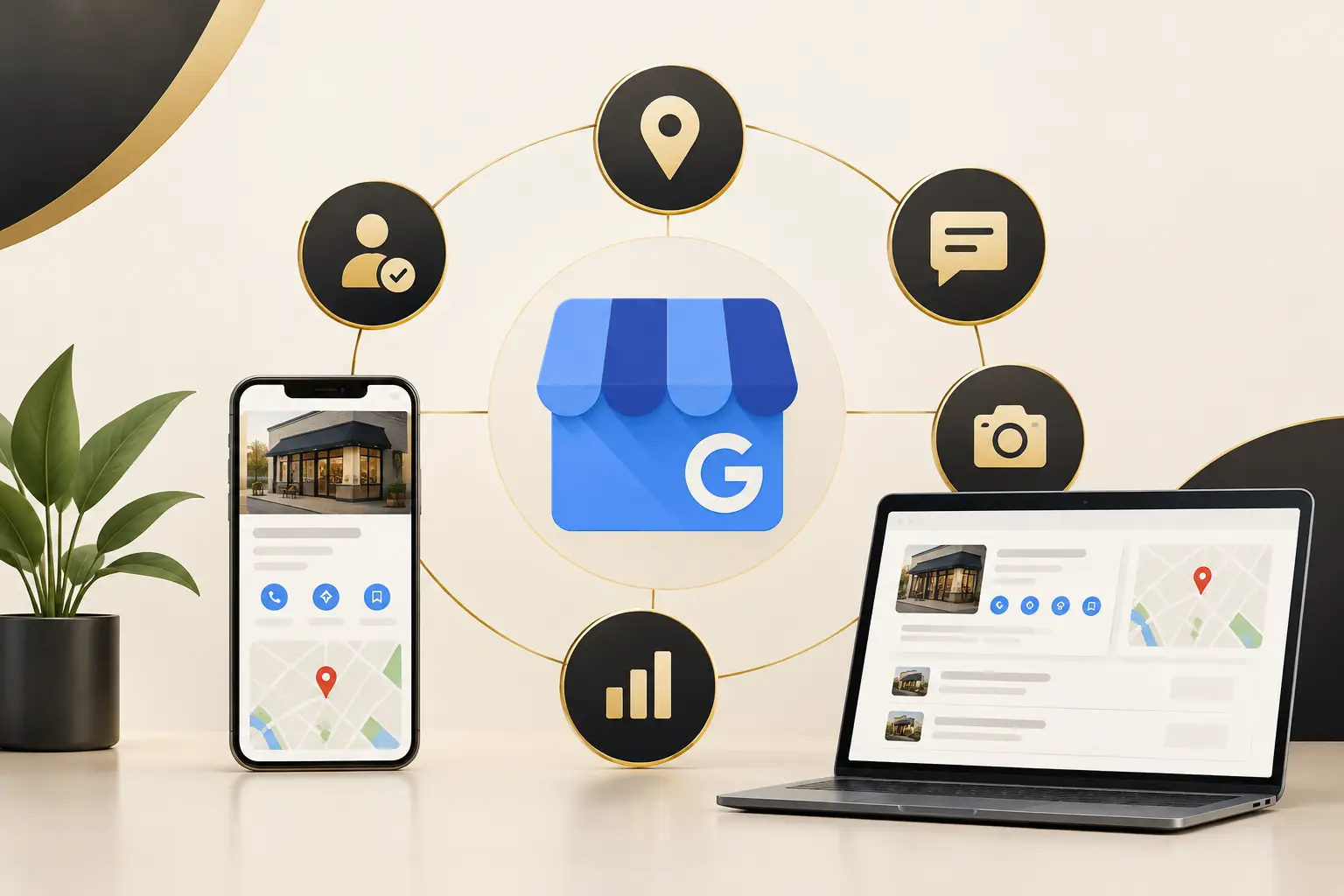
A Google Business Profile can create a first impression before a prospect reaches your website, calls your office, or submits a form. Google Business Profile management services help keep that first impression accurate, useful, and connected to the way your team actually handles inquiries. The value is not posting for the sake of activity. It is making it easier for the right local customers to find reliable information, take the next step, and receive a timely response.
For established service businesses, the profile is often a high-intent entry point. Someone searching for a provider nearby may compare hours, reviews, service categories, photos, and contact options in a few minutes. If the information is incomplete, outdated, or unmanaged, the business can lose an opportunity before the sales process begins.
What Google Business Profile Management Services Should Include
Good management starts with ownership and accuracy. Your business should retain ownership of its Google Business Profile, while an agency or implementation partner receives the appropriate level of access to manage it. That distinction matters when relationships, staff, or vendors change.
The first phase is usually an audit. This reviews the business name, primary and secondary categories, address or service area, phone number, website destination, business hours, appointment options, services, description, photos, and existing reviews. The goal is not to force keywords into every field. It is to ensure the profile clearly represents the business customers will actually encounter.
Ongoing work may include responding to reviews, publishing relevant updates, adding photos, monitoring suggested edits, answering questions, and reviewing performance data. The right scope depends on the business. A multi-location company, a business with seasonal hours, or an operation receiving frequent reviews needs more active attention than a stable office with a narrow service area.
A capable provider also looks beyond the profile itself. Calls, website visits, form submissions, and eligible booking paths need a defined destination. If an inquiry reaches an unmonitored inbox or rings to a line nobody answers, local visibility has not solved the operational problem.
Why Profile Activity Alone Is Not a Growth System
It is easy to treat a Google Business Profile as a standalone marketing task: optimize the listing, add a few posts, and wait for leads. That approach can improve presentation, but it does not create dependable follow-through.
Consider a common scenario. A prospect finds a profile after searching for a local service, sees strong recent reviews, and calls during a busy part of the day. The call is missed. If there is no call tracking, no missed-call and intake workflow, no clear ownership, and no fast follow-up, the team may never know what happened. The profile did its job. The system behind it did not.
That is why local search should be connected to the customer journey. A business needs a clear path from Google search to website, phone call, booking flow, or lead form. It then needs a process to capture the inquiry, qualify it where appropriate, route it to the right person, and follow up consistently.
The Montoya Group approaches this work as part of that connected journey. Profile management can support local visibility, but it is more useful when the website, intake process, pipeline, scheduling, reviews, and reporting are working toward the same outcome: qualified inquiries and customers.
The Work That Requires Judgment
Some profile tasks are straightforward. Updating holiday hours or replacing an old phone number should not require a lengthy strategy meeting. Other decisions require care because they affect how accurately the business appears in local search.
Categories and services
Categories help Google understand what a business does, but they should match the actual offer. Choosing a broad or loosely related category simply because it appears popular can create confusion for prospects and may attract inquiries the business does not want. Service entries should be specific enough to help customers understand fit without making unsupported claims.
Service areas and location rules
Service-area businesses need particular attention. A business should not create a location presence where it does not genuinely operate or use addresses that do not meet Google’s requirements. For a business that serves clients at their locations, defining a realistic service area is more useful than trying to appear everywhere.
This is also where local SEO has limits. A well-managed profile can improve accuracy and relevance, but no responsible provider can guarantee a specific local ranking, call volume, or revenue result. Search results vary by location, competition, search intent, proximity, and changes to Google’s systems.
Reviews and responses
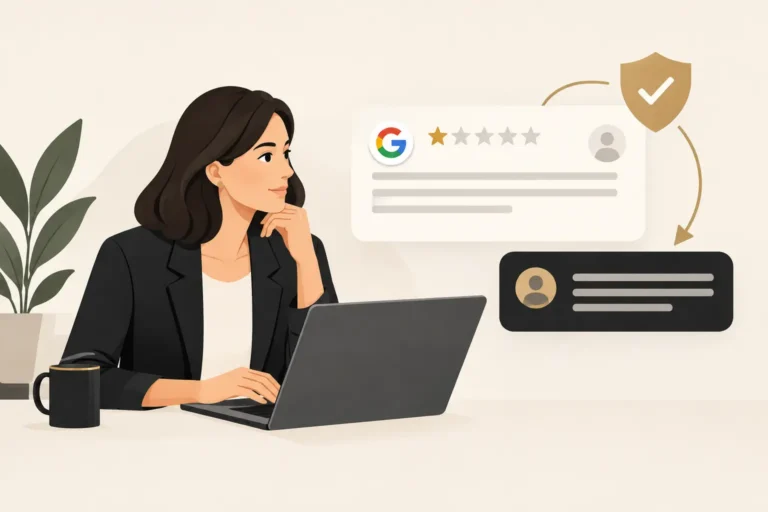
Reviews are operational feedback as much as marketing proof. A management process should make it easier to request feedback from appropriate customers in a consistent, policy-aware way. It should also establish who responds, how quickly they respond, and when a sensitive issue should move offline.
A generic response to every review can feel automated and unhelpful. A thoughtful response acknowledges the customer’s experience without disclosing private details or turning a public review into a lengthy dispute. Negative reviews deserve a measured process, not a defensive reply written in the moment.
How to Evaluate Google Business Profile Management Services
Before choosing a provider, ask what happens after the listing is updated. The answer reveals whether you are buying profile maintenance or a more accountable local acquisition process.
Start with scope. Find out whether the work includes initial optimization, ongoing edits, review response support, photo management, post publishing, reporting, and issue resolution. These are separate tasks, and they should not be assumed to be included in every service plan. Ask how often each activity occurs and who approves changes that affect your public business information.
Next, ask about access and documentation. Your company should know who owns the profile, who has administrator access, where credentials are managed, and how changes are recorded. This reduces risk and avoids the familiar problem of a former employee or past vendor controlling a critical business asset.
Then examine measurement. Views and search queries can be useful context, but they are not the final measure of value. Better reporting connects profile activity to calls, website sessions, forms, booked appointments, opportunities, and customers when the tracking setup allows it. Attribution is rarely perfect, especially when people research across devices or call directly, but a practical system can make decision-making far clearer.
Finally, discuss integration. If your business uses a CRM, scheduling tool, phone system, or intake team, profile management should work with those processes rather than create another disconnected dashboard. The right approach depends on your existing tools and the volume of inbound demand. A simple service business may only need disciplined call handling and form alerts. A team managing multiple representatives may benefit from pipelines, lead assignment rules, automated follow-up, and appointment reminders.
When Ongoing Management Is Worth It
Ongoing support is most valuable when your profile changes frequently or plays a meaningful role in how local customers choose you. This can include businesses with active review volume, seasonal hours, recurring offers, multiple services, changing staff availability, or a need to protect accuracy across several locations.
It can also make sense when the owner is tired of being the default person responsible for every profile edit, review, and missed inquiry. Delegating the work is not just about saving time. It creates a defined operating rhythm with clear accountability.
On the other hand, not every business needs an expansive monthly engagement. If the profile is stable, reviews are limited, and the business has a reliable internal owner, a focused audit, cleanup, and documented maintenance process may be the better fit. The decision should follow the business’s lead volume, operational complexity, and goals, not a one-size-fits-all checklist.
Build a Better Handoff From Search to Service
A Google Business Profile should make it easier for a qualified prospect to take action with confidence. Accurate information, current reviews, appropriate categories, and clear contact paths matter. But the handoff after that click or call matters just as much.
Before investing in ongoing management, map what happens when a prospect calls, submits a form, requests an appointment, or asks a question. Identify where inquiries are missed, who owns the next response, and how your team can measure whether local visibility is producing real opportunities. That is the point where a well-managed profile becomes part of a system built to support the business, not just a listing that looks complete.
Check the service against Google’s current guidance
Google explains local rankings through relevance, distance and prominence. Profile management should improve accuracy and usefulness; it cannot guarantee a position for every searcher. Ask the provider to distinguish work completed from visibility changes and actual qualified inquiries.
Native Business Profile features can change. Confirm the contact and booking options available to your profile rather than assuming a familiar dashboard feature still exists. Keep any website messaging or separate texting tool identified as its own channel.
Buyer questions about profile management
Should the agency own our Business Profile?
Your business should retain ownership and grant the appropriate management access. Document the people involved, approval rules and the handover process if the relationship ends.
Should we request reviews only from satisfied customers?
No. Use a consistent request process for genuine customer experiences. Do not offer incentives, selectively solicit positive feedback or condition resolution on changing a review. See Google’s fake-engagement rules.
Review the path from profile to inquiry
Discuss Business Profile management with The Montoya Group. Bring your profile, priority services and the channels your team uses to receive inquiries. We can help define ownership, reporting and the next operational improvement.